minerals
The building blocks of rocks.
Minerals are naturally occurring, inorganic soilds, with a definite chemical composition, and an ordered crystalline structure. Minerals are identified (without fancy equipment) by their simple physical properties. These properties are, hardness, colour, streak, lustre, cleaveage, habit, crystal form, fracture, and specific gravity; these properties will all be listed below
properties
hardness
hardness is one of the best properties to identify minerals, as its directly related to the minerals atomic structure. hardness is determied by comparing to minerals with a known hardness, according to the Mohs' hardness scale. if a one mineral can scratch another, that means its harder and the one that got scratched softer
Moh's scale of hardness- 1. talc
- 2. gypsum
- 2.5. fingernail
- 3. calcite
- 3.5. copper coin
- 4. flourite
- 5. apatite & glass
- 5.5. steel knife
- 6. orthoclase feldspar
- 6.5. ceramic streak plate
- 7. quartz
- 8. topaz or beryl
- 9. corundum
- 10. diamond
colour
once of the easiest observed properties, but also one of the most useless. many minerals can occur in a variety of different colours caused by impurities and various other causes. as such you cannot identify a mineral purely on its colour, although it can be helpful in some cases
streak
the streak of a mineral is its colour when powdered. its determined b rubbing the mineral on a streak plate. if the mineral has a higher hardness than the streak plate its streak cannot be observed (in an accurate way at least)
lustre
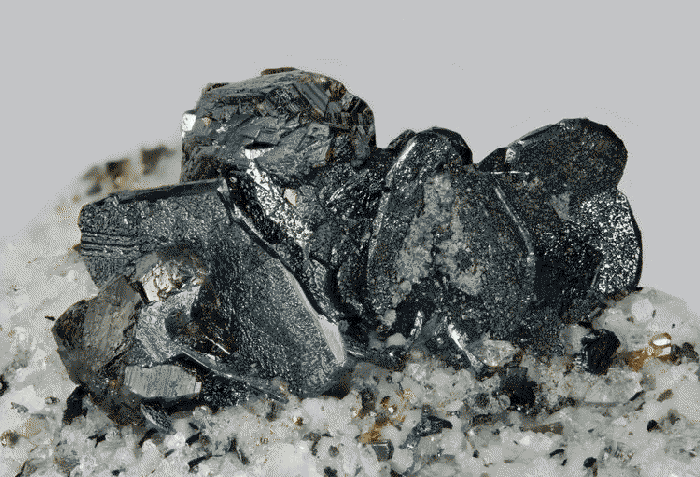
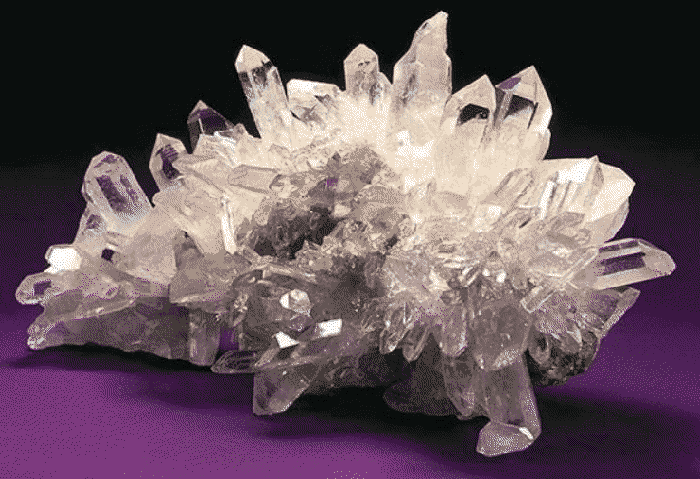
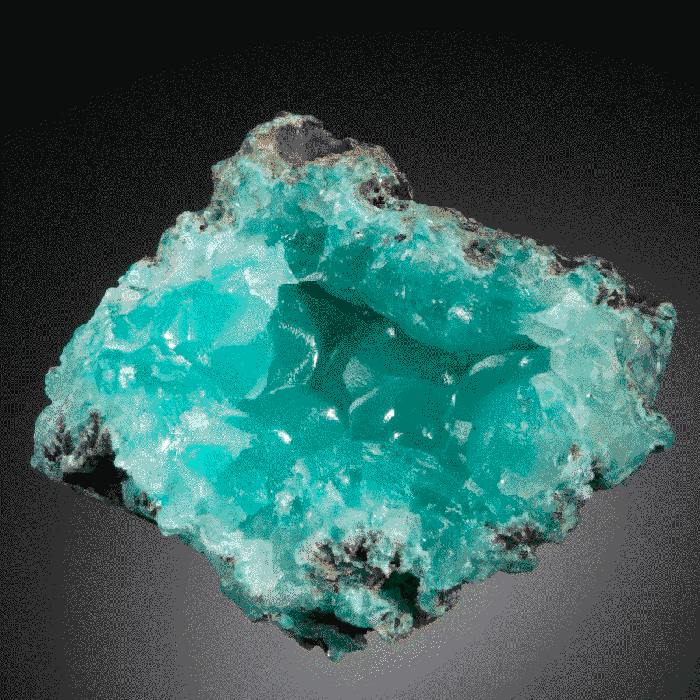
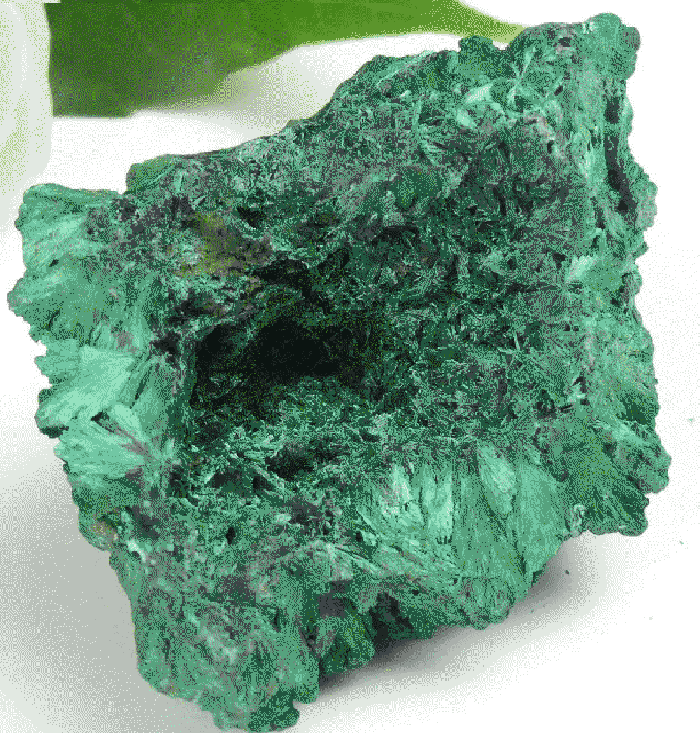
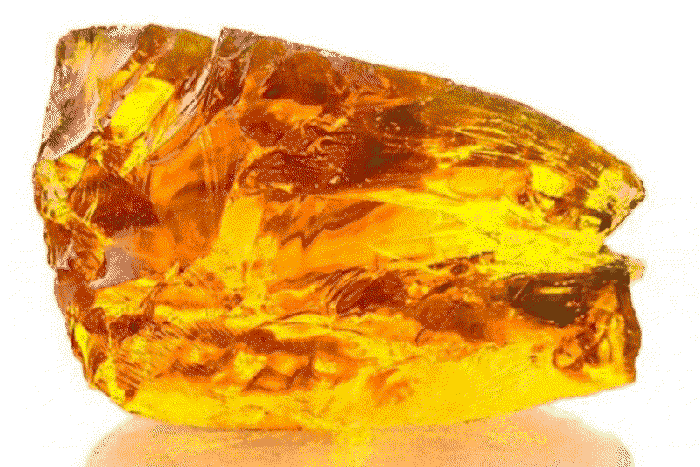
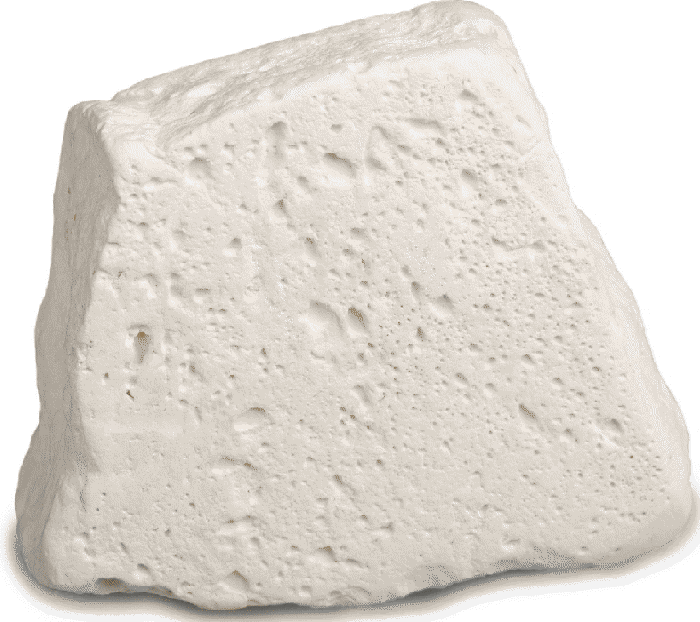
lustre is the way that light is reflected by minerals. minerals which only reflect on the surface have a metallic lustre, while those which reflect from inside have a non-metallic lustre. there are further terms used to describe non-metallic lustre explained below. i have provided images but you really need to see it with your own eyes to properly understand different lustres
like that of metal
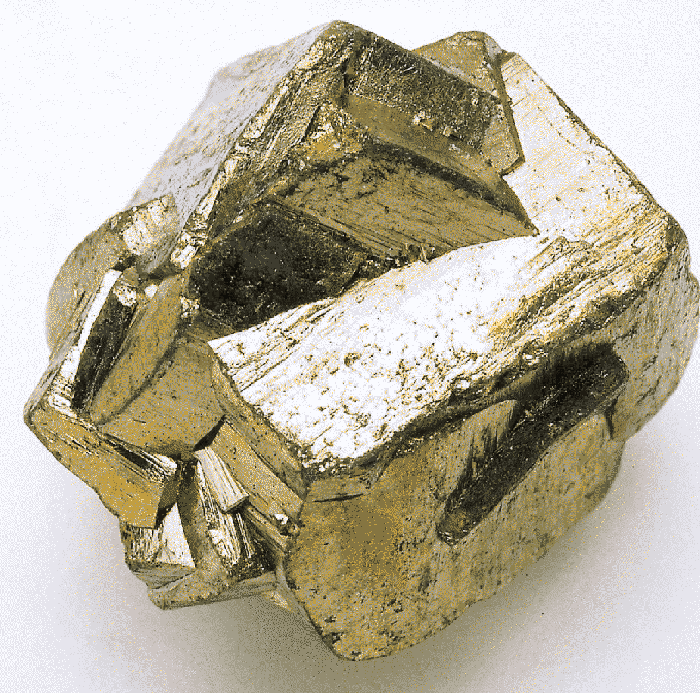
like that of metal but with a duller shine
like that of glass
like that of a greased surface
like that of silk, due to a fiboruous structure
like that of resin
like that of dried clay
like that of a pearl
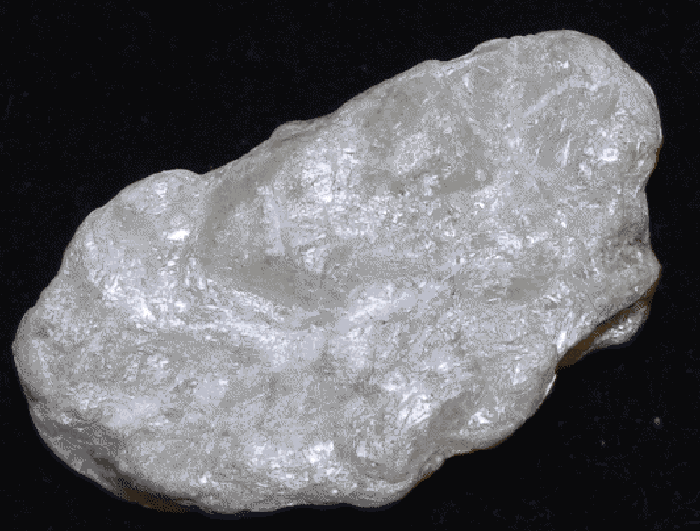
like that of a diamond
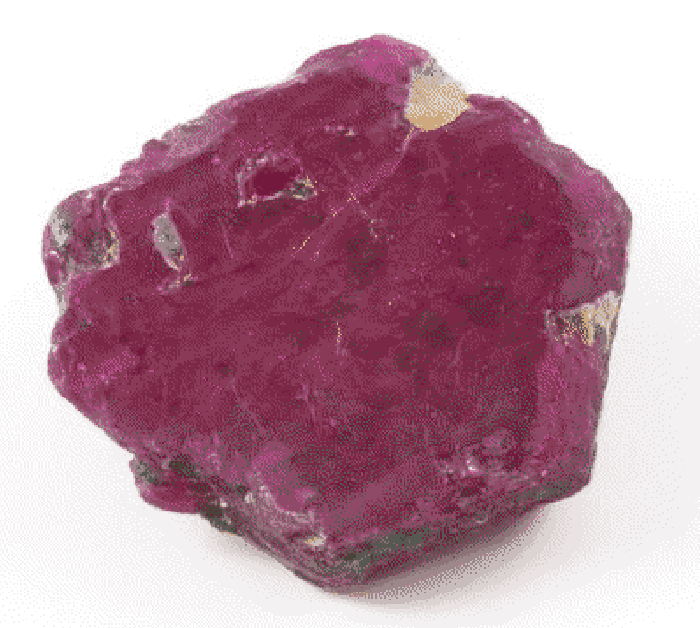
cleaveage
when broken minerals may have a tendency to split (cleave) along certain definite planes because of a weakness in their crystal structure
crystal form
as a result of their crystal structure many minerals will form into a geometric shape bounded by the crystals faces
fracture
when a mineral has no cleavage it fractures when broken, or if a mineral with cleavage is broken not along its clevage plain
- common types
- conchoidal breaks with a smooth curved surface like glass
- fibrous / splintery breaks into fibers like asbestos
- uneven / irregular eg. chalcopyrite
- earthy breaks like dried clay, eg. limonite
specific gravity
specific gravity is the weight of a mineral compared to the weight of an equal volume of water, but in simple terms its a way to represent the density of a mineral. to determine it accurately you need specialized equipment, but you can approximate it just by holding the mineral in your hand and feeling how heavy it is and using your intuition
← go back?